
Your Journey to Dynamics 365 Starts Here!
Fill in your business details and let
us be your partner in growth.

Implement Dynamics 365 ERP for packaging manufacturing to track every roll, sheet, and pallet from the moment materials arrive until finished products reach your customers. Use it to manage custom orders, material waste, production, and tooling in one system, giving you better control over costs, stock, and deliveries. Dynamics Square helps packaging manufacturers implement and customise Microsoft Dynamics 365 ERP solutions to match their production processes and business needs.
Certified Dynamics 365 Consultants
Manufacturing and Supply Chain Consultants
Clients Worldwide
Implementations in Manufacturing
Business Central & Supply Chain Management Expertise
USA, Canada & UK Coverage
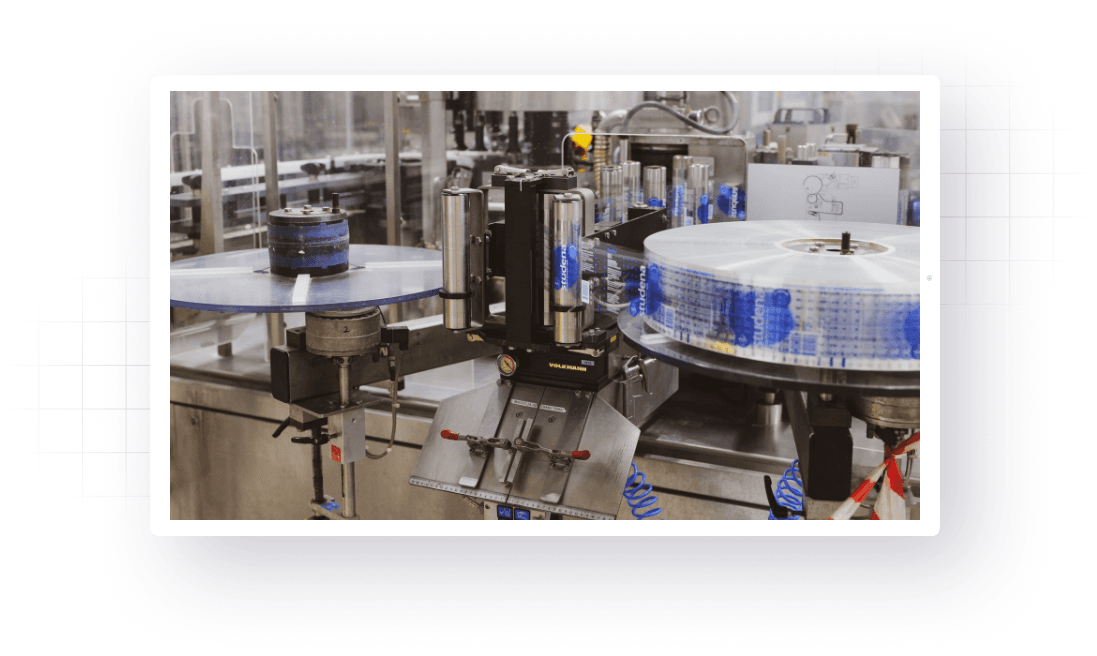
Dynamics 365 ERP helps packaging manufacturers manage the entire production process, from customer orders and material purchases to manufacturing, quality checks, inventory, shipping, and accounting.
It connects all these activities in one system, allowing manufacturers to track material costs and usage for every production job. For example, a carton plant handling 40 daily changeovers may use 6,000 sheets just for machine setup.
Dynamics Square offers two options, Business Central and Supply Chain Management, depending on order volumes and manufacturing complexity.

Business Central suits packaging manufacturers that produce goods to specific customer requirements at one or a few plants. It works well for corrugated box manufacturers, carton printers, label makers, and flexible packaging businesses. It helps manage production orders, raw materials, product variations, customer orders, outsourced work, material tracking, and quality checks.

Supply Chain Management suits larger packaging businesses with multiple plants, complex production needs, or operations that turn large rolls into smaller rolls or different products. It supports advanced production planning, machine scheduling, product configuration, waste management, equipment maintenance, quality checks, and warehouse operations.
Food safety, BRCGS certification, and recycled content claims depend on proper material records, testing, and audits. Dynamics 365 helps maintain the receiving, batch tracking, and production records needed to support these requirements.
See Which Product Fits Your Plant
Food-contact packaging must use materials approved for their intended purpose under FDA regulations. Customers may also request written supplier guarantees and certificates confirming that packaging meets safety requirements. State packaging laws restrict certain heavy metals, while BRCGS Packaging Materials Issue 7 requires annual traceability tests completed within four hours.

Recyclability and recycled-content claims must follow FTC guidelines and applicable state laws. Several US states also require businesses to report packaging materials under Extended Producer Responsibility (EPR) rules. Manufacturers need accurate records of packaging weight, material types, and production volumes to help customers meet reporting and sustainability requirements.

Packaging manufacturers handle different sizes, materials, print designs, and customer specifications every day. Basic inventory systems track product names and quantities but miss important production details. Manufacturers need to connect board grades, ink batches, cutting dies, printing machines, and customer orders to track each job accurately.
Business Central helps manufacturers plan production around confirmed customer orders. It connects each production order to the relevant sales order, ensuring materials are purchased and products are made for specific customers. This keeps quotations, orders, production, and deliveries connected, making custom packaging jobs easier to manage.
Packaging products come in different sizes, materials, colours, and print designs. Business Central records these differences as product variants, while Supply Chain Management lets sales teams configure products directly during quotations and order creation. Each configured product can have its own material list and production instructions.
Dynamics 365 tracks materials such as paper, board, film, ink, and adhesives using batch numbers. Manufacturers can trace each material from supplier delivery through production to finished packaging. If a customer reports a problem, teams can quickly identify the materials used and other orders affected.
Dynamics 365 helps manufacturers plan production based on available machines, workers, materials, and delivery dates. Business Central supports basic production scheduling, while Supply Chain Management adds advanced machine scheduling and visual production plans. This helps managers assign jobs, manage workloads, and meet customer delivery commitments.
Packaging production often creates waste during machine setup, cutting, printing, and finishing. Dynamics 365 lets manufacturers include expected material losses in production plans and record actual scrap separately from finished goods. Reports help identify where waste occurs, which machines cause it, and how much each job loses.
Packaging manufacturers often outsource printing, lamination, foil stamping, and die cutting to specialist vendors. Dynamics 365 supports subcontracting by linking outsourced work to the main production order. Manufacturers can track materials sent to vendors, outsourced operations, associated costs, and finished components returned to their plants.
Dies, printing plates, cylinders, and production machines need regular maintenance and replacement. Supply Chain Management Asset Management helps manufacturers maintain equipment records, schedule servicing, track machine usage, and record repair costs. This helps production teams monitor equipment conditions and reduce unexpected breakdowns that delay customer orders.
Dynamics 365 helps manufacturers check incoming materials and finished packaging against defined quality standards. Business Central offers quality management capabilities, while Supply Chain Management supports detailed quality orders and sampling plans. Teams can record inspection results, identify failed batches, and prevent materials that fail checks from reaching customers.
Packaging manufacturers can choose between two Dynamics 365 ERP solutions: Business Central and Supply Chain Management. The right option depends on how customers place orders, how many products the plant makes, and how complex its production processes, machines, and material requirements are.
| Aspects | Business Central | Supply Chain Management |
|---|---|---|
| Best fit | Carton, label, corrugated sheet, and flexible packaging converters at one plant or a few | Multi-plant converters, configure-to-order sellers, roll and web-based operations |
| Order handling | Make-to-order planning, order-to-order links, and blanket orders | Product configuration models and quotations that carry configured items |
| Material units | Unit of measure conversions among rolls, sheets, and weight | Catch weight items that track count and weight together |
| Planning | MRP plus calendars on work and machine centers | Master planning, finite capacity scheduling, and a Production Gantt chart |
| Scrap handling | Scrap % on BOM and routing lines; scrap codes at output journal posting | Scrap on formula and BOM lines; cost allocation across co-products and by-products |
| Outsourced steps | Subcontracting | Vendor-based subcontracting |
| Dies and equipment | Fixed assets, or partner maintenance apps | Asset Management with maintenance plans triggered by counters |
| Quality management | Quality Management module that can block a lot outside its limits | Quality orders, sampling plans, and non-conformance tracking |
| Multi-entity complexity | One mid-sized operation | Multiple entities, sites, and currencies |
| Starting license (USA) | Premium: $110/user/month | Standard: ~$210/user/month |
Packaging manufacturers producing standard products against customer orders at one or a few plants can start with Business Central Premium. It covers production orders, material tracking, waste recording, and quality checks at a suitable scale for growing businesses.
Larger manufacturers with multiple plants, customised products, complex roll processing, or advanced machine scheduling should consider Supply Chain Management.
Dynamics 365 can work alongside specialist quoting and artwork software, managing purchasing, inventory, production, and finance while exchanging job details with those systems.
Get a Recommendation for Your PlantThe best ERP for packaging manufacturing fits how your plant takes orders and runs its machines. Picking the wrong platform means paying for a project scoped incorrectly and then paying again for the spreadsheets people build to cover the gap.
You manufacture products to defined customer specifications, operate one or a few plants, and need production planning, material tracking, waste recording, and quality checks suited to a growing business.
You manufacture customised products, process large rolls into multiple outputs, need advanced machine scheduling, or manage production across several plants and legal entities.
We assess your production needs before recommending an ERP system, ensuring the solution matches your actual business processes.
Get Your Free Fit AssessmentAt Dynamics Square, every packaging ERP implementation follows Microsoft's Success by Design methodology. We begin by understanding how your plant handles materials, production, waste, and finished goods. This helps us configure the system around your actual processes and maintain accurate production and cost records.
Dynamics Square studies your receiving area, printing machines, converting lines, and finished goods operations. We follow how materials such as paper, board, ink, dies, and production waste move through your plant during daily operations.
Next, Dynamics Square defines the project scope, selects the right Dynamics 365 product, and assigns responsibilities. We also identify who will manage product details, material records, packaging specifications, and tooling information throughout implementation.
At this stage, we configure products, material tracking, production processes, waste recording, and costing. Our team then imports customer, supplier, and open order records, checking the information against your existing business data.
Dynamics Square trains your employees and tests complete production jobs, from receiving raw materials to shipping finished packaging. We also perform a traceability test to check whether one material roll can be tracked across every customer order it supplies.
Dynamics Square supports your team after the system goes live, helping manage new products, changing materials, and production requirements. Our consultants also help maintain accurate records and prepare your business for customer reviews and compliance audits.
The Dynamics 365 ERP for Packaging Manufacturing Pricing depends on the selected product, number of users, and implementation requirements. The figures below are based on Microsoft's published US list prices. Additional costs may apply for specialist estimating, weighing, label printing software, integrations, and customisation.
Finance, sales, purchasing, and inventory with lot tracking.
Adds production orders, BOMs, routings, MRP, and Quality Management.
Read, approve, and light-edit access for occasional users.
Product configuration, finite scheduling, quality orders, and Asset Management.
Adds full demand planning, capacity and storage planning, and Copilot Credits.
Implementation costs are separate from software licensing. A single-plant manufacturer implementing Business Central generally needs a smaller project, while multi-plant Supply Chain Management implementations require more work. This includes transferring product specifications, material records, and tooling data. Dynamics Square assesses your requirements during an initial scoping call and provides a written implementation quote.
Get a Custom QuoteDynamics Square combines experience from 60+ manufacturing ERP projects with a team of 35+ specialists in manufacturing and supply chain operations.
We consider machine setup, changeovers, material waste, and tooling requirements before planning implementation, helping manufacturers control production costs and avoid gaps.
We recommend one suitable Dynamics 365 product and explain the reasons behind our choice, including when Business Central is sufficient.
Our consultants hold current certifications across both Dynamics 365 products, bringing practical configuration knowledge to your packaging manufacturing ERP implementation.
Dynamics Square continues supporting your operations through new product launches, material changes, tooling updates, and customer audits.
We help connect production records, material details, and delivery documents, so customers receive packaging that matches the specifications and paperwork supplied.
Business Central Premium is the right licence for packaging manufacturers that need production management. It includes production orders, Bills of Materials (BOMs), and production routings. Essentials covers core business operations such as accounting, sales, purchasing, and inventory but does not include manufacturing capabilities.
Yes, Business Central supports blanket sales orders for customers who purchase agreed quantities through multiple deliveries. Each scheduled release becomes a separate sales order, allowing manufacturers to plan material purchases, production, and deliveries around the customer's requirements.
Yes, Business Central supports outsourced production processes such as printing, coating, and lamination. Manufacturers can assign these operations to subcontractors within production routings. The Subcontracting Worksheet helps create purchase orders for external vendors and track outsourced work.
Yes, Business Central uses item variants to manage different sizes, colours, and print versions of the same product. Each variant can be tracked separately across sales, purchasing, and inventory, helping manufacturers manage multiple packaging specifications without creating unnecessary product records.
Yes, Business Central includes sales and inventory forecasting tools that help manufacturers estimate future product demand. Planners can use these forecasts to prepare purchasing and production proposals, helping maintain sufficient raw materials and plan manufacturing capacity for recurring customer orders.
Job traceability, visible scrap, and accurate costing keep margin intact from the first order to the last.